The opening of Genesis and John shows that the world is made by God’s Word. Genesis 1 depicts God speaking the universe into existence: God does not build or struggle with raw materials; he simply speaks, and the Cosmos comes into being. Creation itself is a kind of liturgy, ordered and sustained by the living Word of God.
This shapes how we understand both the world and Jesus Christ. When Scripture says that God creates by speaking, it teaches that his Word is not just information but life‑giving power. God’s speech is supremely effective; it accomplishes what it declares. Every creature exists because it has been personally addressed by God.
The Gospel of John then makes this personal Word explicit: “In the beginning was the Word, and the Word was with God, and the Word was God.” Before anything was made, the Word already is, in perfect communion with the Father and truly God. “All things were made through him” means that the same divine Word who speaks in Genesis is the eternal Son, the one through whom all things came to be.
Creation is therefore Trinitarian: the Father creates through the Son in the Holy Spirit. The order and beauty of the world reflect the wisdom of the Word, the signature of Christ on everything that exists. The One who will later walk the roads of Galilee is the same One through whom galaxies, oceans, and atoms were brought into being.
The Holy Evangelist John then makes a staggering claim: “The Word became flesh and dwelt among us.” The eternal Word who called light out of darkness enters the very world he made, taking on our nature without ceasing to be who he is eternally. The hands that shaped the stars become the hands of a carpenter and are later stretched out on the Cross. The voice that said “Let there be light” will cry, “It is finished,” bringing about a new creation.
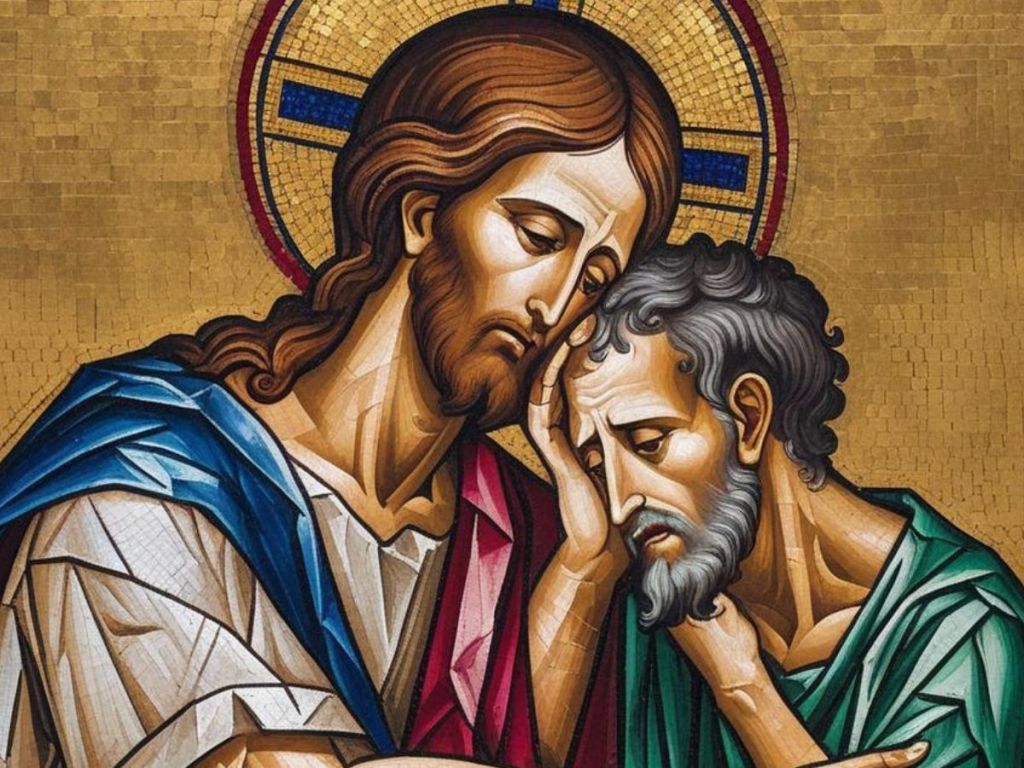
To say that Jesus Christ is the Word of God is to say that the Savior of the world is also its Maker. In him, the first creation and the new creation meet. He still speaks, calling each of us out of darkness into his light, and when he speaks, things change: the Word who once created now re‑creates, restoring in us the image first spoken into being at the dawn of this age.

 Eastern Orthodoxy