The Kingdom of God is both a coming reality and is a present reality in the hearts of believers. To have a life in Christ is to be in the Kingdom both now and unto the ages of ages.
__
Help keep my ministry going and growing… Buy me a coffee → https://www.buymeacoffee.com/frajarmus ☕️ Many thanks for your support! Prayers & Blessings 🙏 ☦️
The title says it all: How the Orthodox Church defines the fear of God. My sermon at St Nicholas Cathedral in Fort Wayne, Indiana, on Sunday, October 29, 2023.
The Greek word for the devil is “diavolos,” which is where we get the word “diabolical” from. This word literally means one who throws things in opposite directions, and this offers us insight into the work of the devil among humanity — to create division.
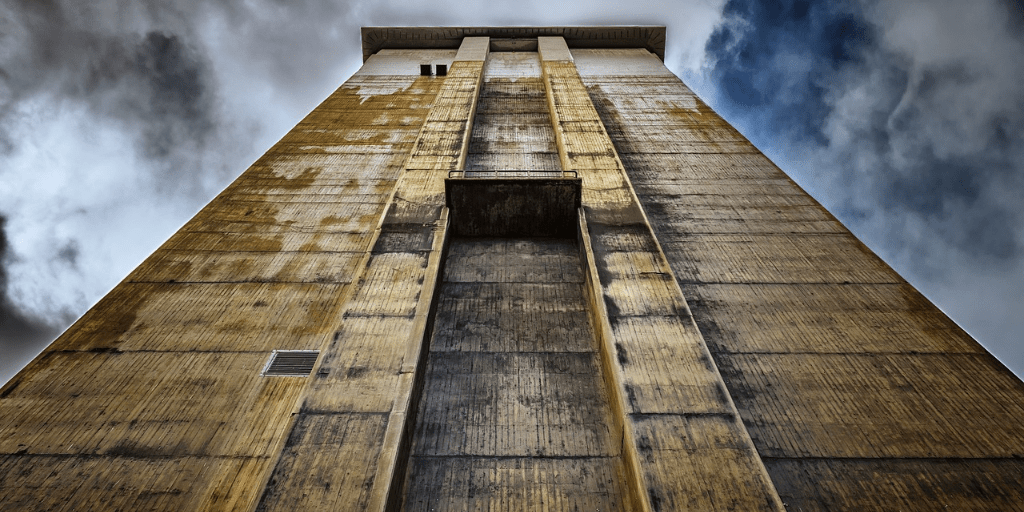
One the other hand, God calls us to unity. In Christ all fragmentation due to sin is healed. For example, in the Orthodox Church, we make a juxtaposition between what happens at the Tower of Babel and what happens at Pentecost:
The arrogance of those who built the tower caused the tongues to be confused, but now the tongues have been made wise through the glory of the knowledge of God! There the impious were condemned, now Christ has enlightened the fishermen with His Spirit! There the confusion of tongues was done in retribution; now harmony is restored for the salvation of our souls! (Pentecost Vespers)
At the Tower of Babel, because of the pride of the people we get the division of the tongues – the fragmentation of humanity. At Pentecost, the Holy Spirit comes down in the form of tongues of fire and brings people together in the unity of the Church. The apostles go out and preach the good news, and people from various places speaking various languages can hear the gospel each in their own language.
The power of God, the work of God, the saving work of Jesus Christ, and the operation of the Holy Spirit brings us together. Out of discord, we get concord through God. What happens at the Tower of Babel because of pride is overcome, is healed by the humility and the service and the willingness to follow God of of the apostles and disciples on the day of Pentecost.
In the Sermon on the Mount, Jesus offers us teaching on how we should look at our lives. Some things in the scriptures are really difficult to understand but this particular teaching is so direct that you just look at it once and it’s obvious. It’s not easy, but it’s very clear.
“And Mary said, ‘My soul magnifies the Lord, and my spirit rejoices in God my Savior, for he has looked on the low estate of his servant. For behold, from now on all generations will call me blessed…'” (Luke 1:46-48)
On August 15, the Orthodox Church commemorates a feast called the Dormition – the Falling Asleep – of the Mother of God, honoring the day that she died and entered into glory with her Son.
“The feast of the Dormition is the sign, the guarantee, and the celebration that Mary’s fate is, the destiny of all those of ‘low estate’ whose souls magnify the Lord, whose spirits rejoice in God the Saviour, whose lives are totally dedicated to hearing and keeping the Word of God which is given to men in Mary’s child, the Saviour and Redeemer of the world.” (Fr. Thomas Hopko)
The very name of this feast tells us everything that we need to know about the Christian understanding of death – Dormition, a falling-asleep. In Greek the word is “koimesis,” and this is where we get the English word “cemetery” from. A cemetery is a place where the faithful rest in the hope of the resurrection.
We need to be mindful of death, but we do not need to fear it. We simply need to prepare for that moment when we will go on to be with our Lord. Our hope and prayer is that, like Jesus’ most-holy Mother, at that moment each of us will find rest from the struggles of living a godly life in this world, and that we will rise in glory in the age to come.
In the Sermon on the Mount, Jesus offers us teaching on how we should look at our lives. Some things in the scriptures are really difficult to understand but this particular teaching is so direct that you just look at it once and it’s obvious. It’s not easy, but it’s very clear.

 Eastern Orthodoxy