The Word Creates

The opening of Genesis and John shows that the world is made by God’s Word. Genesis 1 depicts God speaking the universe into existence: God does not build or struggle with raw materials; he simply speaks, and the Cosmos comes into being. Creation itself is a kind of liturgy, ordered and sustained by the living Word of God.

This shapes how we understand both the world and Jesus Christ. When Scripture says that God creates by speaking, it teaches that his Word is not just information but life‑giving power. God’s speech is supremely effective; it accomplishes what it declares. Every creature exists because it has been personally addressed by God.

The Gospel of John then makes this personal Word explicit: “In the beginning was the Word, and the Word was with God, and the Word was God.” Before anything was made, the Word already is, in perfect communion with the Father and truly God. “All things were made through him” means that the same divine Word who speaks in Genesis is the eternal Son, the one through whom all things came to be.

Creation is therefore Trinitarian: the Father creates through the Son in the Holy Spirit. The order and beauty of the world reflect the wisdom of the Word, the signature of Christ on everything that exists. The One who will later walk the roads of Galilee is the same One through whom galaxies, oceans, and atoms were brought into being.

The Holy Evangelist John then makes a staggering claim: “The Word became flesh and dwelt among us.” The eternal Word who called light out of darkness enters the very world he made, taking on our nature without ceasing to be who he is eternally. The hands that shaped the stars become the hands of a carpenter and are later stretched out on the Cross. The voice that said “Let there be light” will cry, “It is finished,” bringing about a new creation.

To say that Jesus Christ is the Word of God is to say that the Savior of the world is also its Maker. In him, the first creation and the new creation meet. He still speaks, calling each of us out of darkness into his light, and when he speaks, things change: the Word who once created now re‑creates, restoring in us the image first spoken into being at the dawn of this age.

“I Believe”

Looking over the text of the Divine Liturgy, we find very few “I” statements. The Liturgy is a communal act and the content of the prayers and hymns reflect this. There are, however, two notable exceptions. One is in the Creed and the other is the prayer that we read immediately before Holy Communion. Both of these sacred texts begin with the words “I believe.”
By saying “I believe,” we are making a personal confession of faith, aligning ourselves with the collective belief of the Church, first proclaimed by the holy apostles. “I believe” is not an abstract statement—this is the language of conviction, trust, and relationship.
We don’t say “I think” or “I theorize,” but “I believe.” In the New Testament, belief is never just intellectual agreement. It is an act of entrusting ourselves to God. St. Paul says clearly, “If you confess with your mouth that Jesus is Lord and believe in your heart that God raised Him from the dead, you will be saved” (Romans 10:9). To believe with the heart is to place our whole life in God’s hands. We hear this invitation over and over again in the Divine Liturgy: “…let us commend ourselves and each other and all our life to Christ our God.”
The Lord Himself connects belief with life. In John 11:25–26, standing at the tomb of Lazarus, Jesus says, “I am the resurrection and the life. Whoever believes in Me, though he die, yet shall he live, and everyone who lives and believes in Me shall never die. Do you believe this?” The question He asks Martha is the same He asks each of us when we begin the Creed and then again as we approach the Holy Eucharist: Do you believe this?

Where it all began

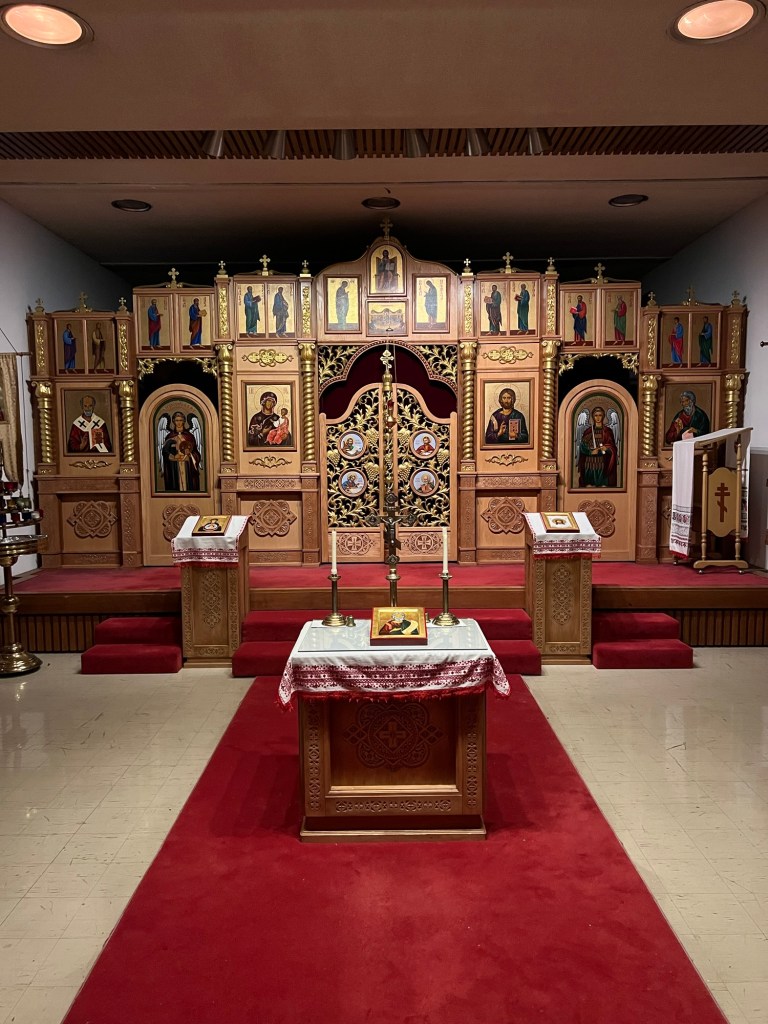
Recently, I had the pleasure of visiting my Alma Mater, St. Andrew’s College, in Winnipeg, Canada. It’s been years since I’ve been back to the seminary. As always, the place I’m drawn to is the chapel. This is where I entered for the first time into the routine of the daily services, together with festal celebrations and the profound beauty of our seasonal liturgical life. These services, so filled with divine and life-giving rhythms and patterns, flow like a peaceful yet powerful river both through the Church year and through our own hearts.

Exploring the Messianic Fulfillment in Luke 4:17-19


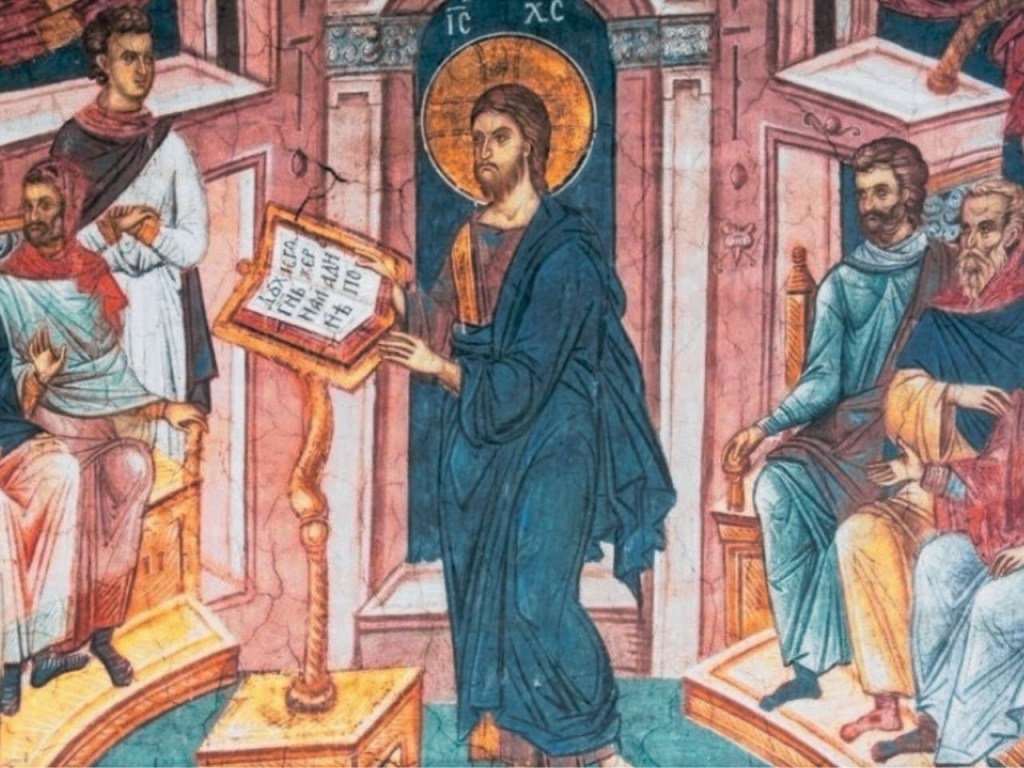
Here’s an excerpt from my online Bible Study. In this discussion of Luke 4, we delve into the second half of Luke 4:17-19, where Jesus reads from Isaiah’s prophecy and declares His Messianic mission. The passage states that the Spirit of the Lord is upon Jesus, anointing Him to preach the Gospel, heal the broken-hearted, deliver the captives, and give sight to the blind. In this discussion, we link Jesus’ mission to the concept of the Jubilee Year, a time of liberty and restoration in Israel, symbolizing the Messianic reign.

Selfless Love in Action


Agape is selfless love – a love that seeks nothing for itself and gives everything for the sake of the other. This is the love of Christ, who gave up his own life so that we may live forever.

True selfless love goes beyond seeking recognition for what we have done or expecting gratitude or repayment in return. It is not a tool to leverage favors in the future, nor is it reserved for those who have earned our affection in the past. Instead, genuine selfless love flows freely, reflecting the boundless and unconditional love of God. It means acting because we recognize a divine opportunity to reflect the love of Jesus Christ – a love that calls us to care for others as He has cared for us.

When we embrace this kind of love, our actions and words become a living testimony of Christ’s love. As we show kindness, extend forgiveness, or offer help to others, we open the door for them to encounter Christ’s presence through us. As 1 John 4:19 reminds us, “We love because He first loved us.” This truth underscores the foundation of our lives as followers of Jesus Christ.

To bear the name of Christ is to carry His love into the world. It is to make visible the invisible God by allowing His love to shine through our deeds, even when no one notices or thanks us. In doing so, we fulfill His command to love others as He has loved us. By being ambassadors of his Christ’s this love, we glorify Him and share the hope of salvation with others.

Pay Attention to These Things


There are a number of times in the Old Testament when God condemns Israel for their sins. And he says, “Because of your sins, the land is defiled.” 

In Hosea 4:1-3, we read, “Hear the word of the Lord, you Israelites, because the Lord has a charge to bring against you who live in the land: ‘There is no faithfulness, no love, no acknowledgment of God in the land. There is only cursing, lying and murder, stealing and adultery; they break all bounds, and bloodshed follows bloodshed. Because of this the land mourns, and all who live in it waste away; the beasts of the field and the birds of the air and the fish of the sea are dying.'”
What we focus our attention on matters… immensely. We give agency to the things we are most attentive to. These things gain a place of primacy in our minds and hearts. Eventually they shape our worldview and our character. By extension, our worldview and character impact our relationships with others, with our environment, and of course with God.

When we focus on toxic things, anger and bitterness and revenge and jealousy and all of these things, that has a negative impact on our hearts, on our families, on our communities, and on the world itself. So we need to focus on life-giving things. When Dostoevsky said that “beauty will save the world,” this is what he was talking about.

If we want to make the world a better place, we can start by paying attention to what St. Paul says in Philippians 4: whatever is good, whatever is holy, whatever is honorable, whatever is true, he says, “Meditate upon these things.” Pay attention to these things.

Explaining the Divine Liturgy (Part 2)


Here’s the second half of a discussion on the Eastern Orthodox Divine Liturgy. I structured it around an early second century description of a Christian Eucharistic service, written by St. Justin the Martyr:

  • “On the day called Sunday, all gather together to one place…
  • “And the memoirs of the apostles or the writings of the prophets are read…”
  • “Then the president verbally exhorts to the imitation of these good things…”
  • “Then we all rise together and pray…”
  • “Bread and wine and water are brought forth…
  • “The president offers prayers and thanksgivings… and the people give their ascent, saying: Amen…”
  • “There is a distribution to each of that over which thanks has been given…”
  • “And they who are well to do give what each thinks fit to take care of all who are in need.”

__

Help keep my ministry going and growing… Buy me a coffee → https://www.buymeacoffee.com/frajarmus ☕️

Many thanks for your support! Prayers & Blessings 🙏 ☦️

Seek first the Kingdom


In the Sermon on the Mount, Jesus offers us teaching on how we should look at our lives. Some things in the scriptures are really difficult to understand but this particular teaching is so direct that you just look at it once and it’s obvious. It’s not easy, but it’s very clear.

Interested in helping to keep my ministry going and growing? → https:// www.buymeacoffee.com/frajarmus

Many thanks for your support! Prayers and blessings 🙏 ☦️